Types of Natural Stone Used in Stone Masonry Projects
People seeking stone masonry construction often want expert help selecting and working with different types of natural stone, which local contractors can provide for durable, attractive results.
If you're exploring options for stone masonry projects around your property, understanding the different types of natural stone used in these applications can be incredibly helpful. Natural stone offers a variety of aesthetic and practical benefits, making it a popular choice for features like walls, walkways, and facades. Property owners in the area often find that selecting the right type of stone not only enhances the visual appeal but also contributes to the durability and longevity of their projects. Local contractors specializing in stone masonry can provide valuable insights into the best stone options for specific needs and styles, ensuring your project stands the test of time.
As you continue to learn about the different types of natural stone used in stone masonry projects, it’s important to consider how each variety's unique characteristics can complement your property’s design. Whether you're aiming for a rustic look or a sleek, modern finish, local service providers can help match your vision with the appropriate stone type. Their experience ensures that the materials chosen will perform well in your environment and meet your functional goals. Keep reading to discover more about the options available and how local contractors can assist in bringing your stone masonry ideas to life with the right natural stone choices.
- Retaining walls - when designing durable and visually appealing structures, local contractors select specific types of natural stone used in stone masonry projects to ensure stability and longevity.
- Fireplaces - for indoor or outdoor fireplaces, service providers choose suitable natural stones that withstand heat and weather conditions, providing both function and aesthetic appeal.
- Facades and cladding - when enhancing building exteriors, local pros utilize various natural stones to achieve distinct textures and colors that complement architectural styles.
- Garden walls and landscaping features - for creating natural-looking boundaries or decorative features, service providers recommend certain types of natural stone used in stone masonry projects for their durability and appearance.
- Paving and walkways - when installing outdoor paths, local contractors select specific natural stones to ensure slip resistance and long-lasting performance in diverse environments.
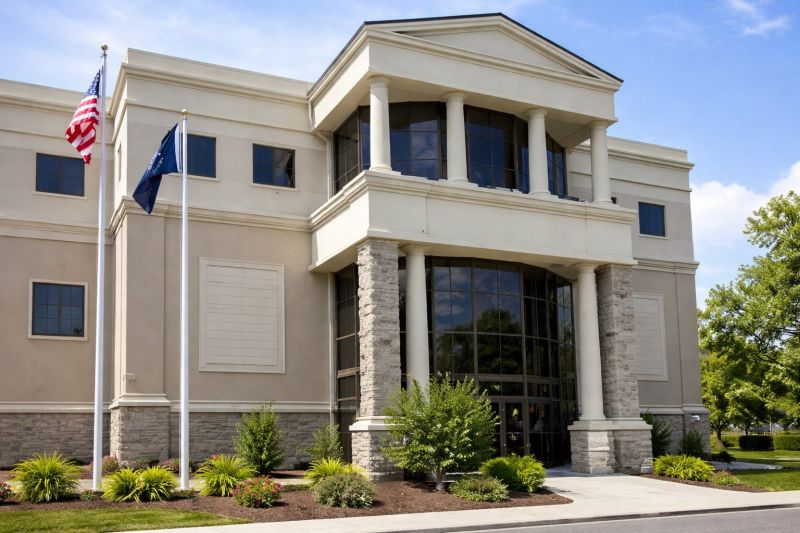
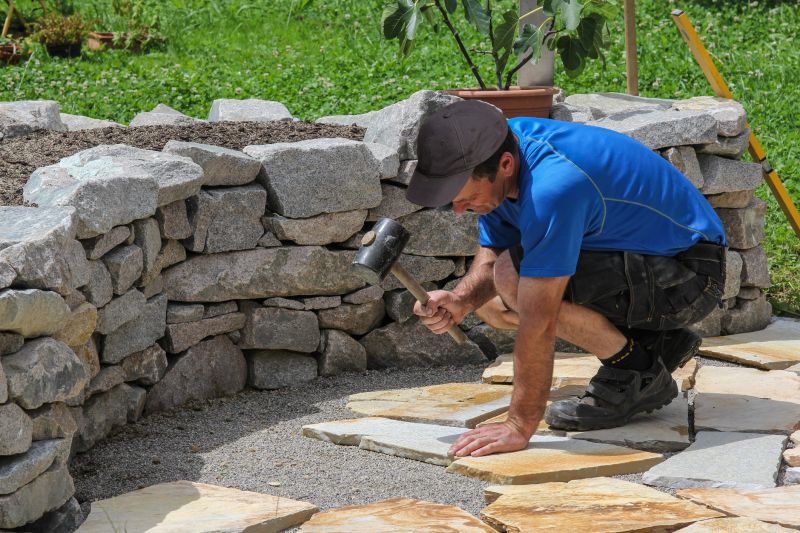
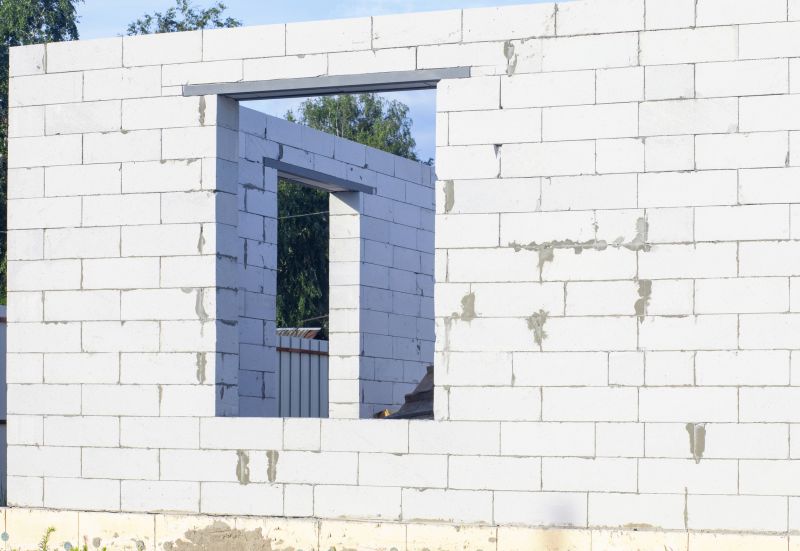
When searching for information about types of natural stone used in stone masonry projects, homeowners often want to understand the different materials available for their building or renovation plans. This topic is commonly explored when considering options for outdoor features like patios, retaining walls, or facades, as well as interior accents such as fireplaces or flooring. People typically seek guidance on the visual appeal, durability, and suitability of various stones to ensure that their project will stand the test of time and match their aesthetic preferences. Understanding the specific properties of different natural stones helps homeowners make informed decisions about which materials will perform well in their climate and environment.
Many projects involving stone masonry require careful planning around the physical characteristics of the materials. For example, some natural stones are better suited for high-traffic areas or heavy load-bearing structures, while others excel in decorative applications where appearance is more important. Homeowners may also encounter issues related to maintenance or weather resistance, which influence the choice of stone for outdoor use. When exploring types of natural stone, it’s important to consider how each material’s properties align with the intended use, whether that’s creating a durable retaining wall or a visually striking fireplace surround. Local contractors experienced in stone masonry can provide valuable insights and help select the right stone for each specific project.
The properties of natural stones used in masonry projects vary widely, and these differences often influence the overall success of a construction. Common properties discussed include hardness, porosity, color, and texture. For instance, granite is known for its hardness and resistance to scratching, making it a popular choice for outdoor steps and surfaces that endure frequent use. Limestone, on the other hand, offers a softer, more porous texture that lends itself to decorative features but may require more maintenance outdoors. The color palette of natural stones ranges from subtle earth tones to bold, vibrant hues, allowing homeowners to match their project with existing landscape or architectural styles. Local service providers can help evaluate these properties to ensure the selected stone complements the project’s functional and aesthetic goals.
Ultimately, understanding the different types of natural stone used in masonry projects helps homeowners plan more effectively and work confidently with local contractors. Whether the goal is to create a durable outdoor feature or an elegant interior accent, knowing the specific qualities of each stone type can influence design choices and long-term performance. Local pros are equipped to advise on the best materials based on the project’s location, use, and desired look, ensuring that the natural stone chosen will meet the practical needs and aesthetic expectations. Connecting with experienced stone masonry service providers can streamline the process and help turn a vision into a lasting, functional feature that enhances the property.
Fireplace and Hearth Installation - natural stone used in stone masonry projects is often incorporated into fireplaces and hearths, requiring similar skills in shaping and fitting stone materials.
Patio and Garden Wall Construction - building outdoor patios and garden walls involves masonry techniques and the selection of durable stones, making it a related project for local contractors.
Monument and Memorial Design - creating monuments and memorials involves precise stone carving and assembly, aligning with skills used in natural stone masonry work.
Retaining Wall Building - constructing retaining walls with natural stone requires understanding of stone placement and structural stability, similar to other masonry projects.
Water Feature and Fountain Construction - designing and installing water features with natural stone involves masonry craftsmanship and planning for water flow and sealing.
Facade Cladding and Exterior Wall Coverings - applying natural stone as exterior cladding demands masonry expertise in stone selection, cutting, and installation techniques.
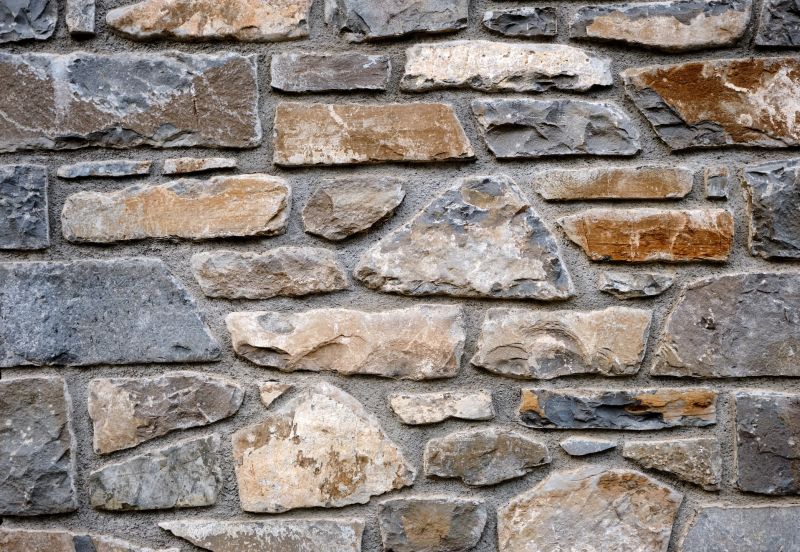
When evaluating service providers for stone masonry projects involving different types of natural stone, it is important to consider their experience with similar projects. Homeowners should inquire about the types of natural stone the contractor has worked with and whether they have completed projects comparable in scope and style. A contractor's familiarity with specific stones-such as limestone, sandstone, or granite-can influence the quality of the work and the durability of the finished project. Reputable local contractors will often be able to provide references or examples of past work that showcase their expertise with various natural stones, helping homeowners gauge their capability to handle the unique challenges associated with each material.
Clear, written expectations are essential when comparing local service providers for stone masonry projects. Homeowners should seek detailed proposals that specify the scope of work, types of natural stone to be used, and the methods involved in the construction process. This clarity helps prevent misunderstandings and ensures that the contractor’s approach aligns with the homeowner’s vision. Good communication is a key indicator of a professional contractor; those who provide thorough, transparent information and are responsive to questions demonstrate a commitment to delivering quality results. Establishing well-defined expectations early on can lead to a smoother project and a more satisfying outcome.
Reputable local contractors often stand out through their ability to communicate effectively and their reputation within the community. When comparing service providers, it’s helpful to ask for references from previous clients who have completed similar stone masonry projects. Speaking with past customers can reveal insights into the contractor’s reliability, craftsmanship, and professionalism. Additionally, a contractor’s willingness to listen, clarify details, and keep homeowners informed throughout the project reflects their dedication to good client relations. Choosing a service provider with a strong reputation for clear communication and proven experience with natural stone projects can contribute to a successful and well-executed stone masonry construction.
Property owners often search for types of natural stone used in stone masonry projects when they are planning practical projects around their homes and businesses. Local pros provide Stone Masonry Construction services for everyday jobs and straightforward project options.
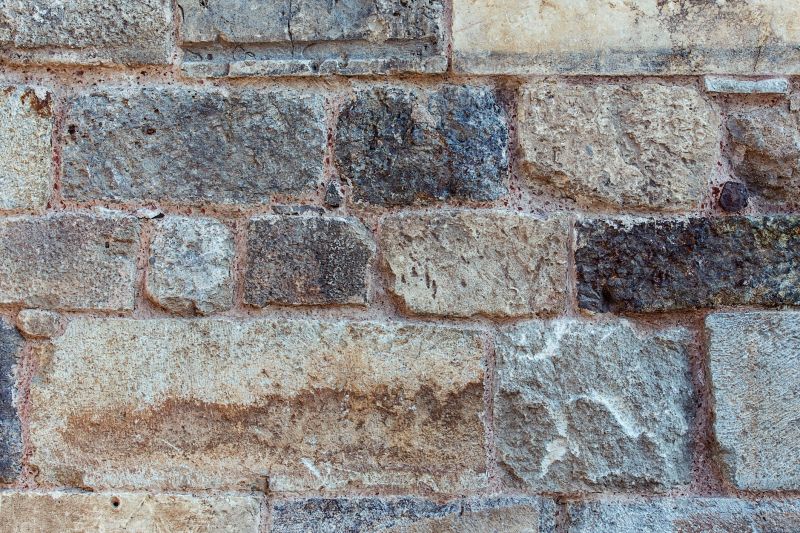
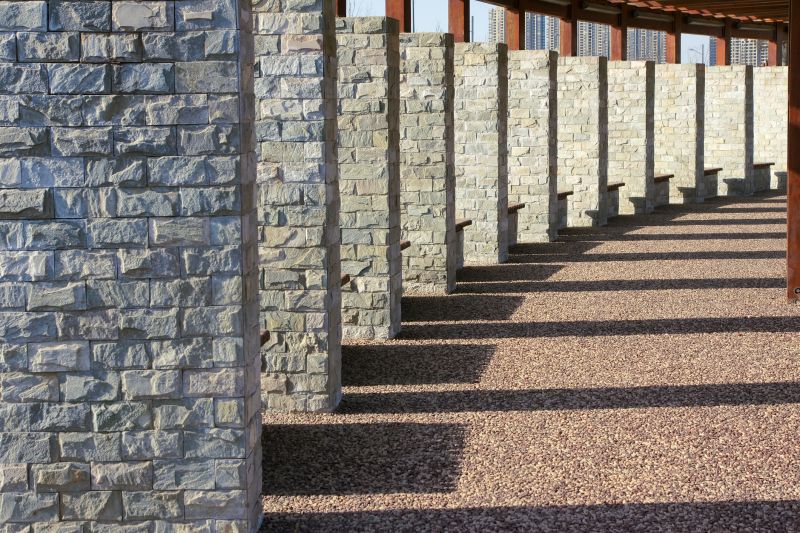
When considering stone masonry projects around the property, property owners often explore the different types of natural stone available to understand their options for durability and appearance. Common choices include granite, known for its strength and resistance to weathering, and limestone, valued for its softer texture and versatility in design. Understanding these options can help property owners make informed decisions when planning features like walkways, retaining walls, or decorative facades. Local contractors experienced in stone masonry can provide guidance on which types of natural stone best suit specific project needs and aesthetic preferences, ensuring the finished work stands the test of time.
Property owners might also look into the benefits of other natural stones such as sandstone, appreciated for its warm tones and ease of carving, or slate, which offers a sleek, layered look ideal for patios and roofing. Each type of natural stone has unique qualities that influence its suitability for different applications. Connecting with local service providers who specialize in stone masonry can help determine the most appropriate material for the project, taking into account factors like climate, style, and longevity. These professionals can assist in selecting the right natural stone to achieve the desired outcome while ensuring proper installation and craftsmanship.
What are common types of natural stone used in stone masonry projects? Common types include granite, limestone, sandstone, marble, and slate, each offering different aesthetic qualities and durability for various masonry applications.
How does the choice of natural stone affect the durability of masonry work? The durability depends on the stone's hardness and resistance to weathering; local contractors can help select stones suited for specific environmental conditions and project needs.
Can different types of natural stone be combined in a single masonry project? Yes, many masonry projects incorporate multiple stone types to achieve desired visual effects, and experienced service providers can advise on compatible combinations.
What factors should be considered when selecting natural stone for masonry? Factors include the stone's appearance, strength, porosity, and suitability for the project's location, with local pros able to recommend appropriate options.
Are certain natural stones better suited for specific masonry features? Yes, for example, marble is often used for decorative elements, while granite is preferred for structural components, and local contractors can guide on the best choices for each feature.
Durability considerations - Property owners can choose durable natural stones like granite for outdoor features that withstand weathering and heavy use, with local contractors providing appropriate installation techniques.
Color and texture options - Selecting natural stones with specific colors and textures can enhance the aesthetic of features like fireplaces or garden walls, with local service providers helping to match materials to the design.
Ease of working with different stones - Understanding how various natural stones cut and shape can influence project efficiency, as local pros can advise on suitable options for different masonry applications.
Maintenance requirements - Considering the maintenance needs of different natural stones helps property owners plan for long-term care, with local contractors offering guidance on suitable materials for low-maintenance projects.
If you are thinking about types of natural stone used in stone masonry projects for a property, this guide is meant to help you understand this topic, the typical project types, and how different options might fit your plans.
When you are ready, you can use the quote form on this page to share a few details about your project. From there, local pros can review the basics and follow up with options that match what you have in mind.